
Smart vibration design enhances precast performance through shared expertise.
When McDonald Concrete Group (MCG), based in Whanganui, sought to optimise the performance of a mould used in the production of concrete lids, it presented an opportunity to improve both structural durability and operating conditions through a more refined vibration approach.
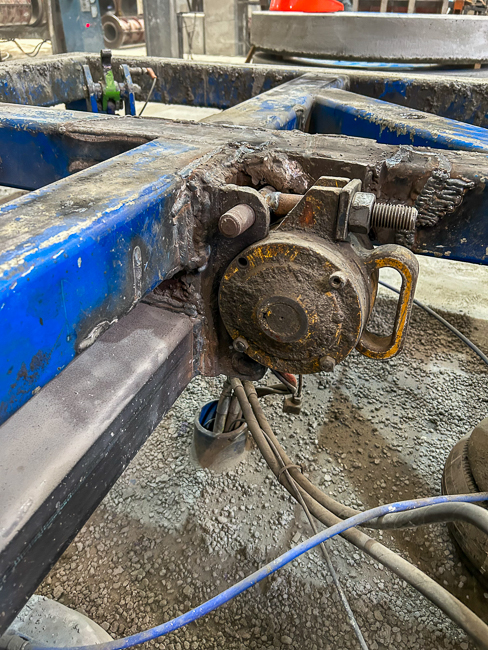
The existing system relied on a single Oli HFP 2700C Pneumatic Vibrator, which delivered the required compaction force. However, concentrating vibration energy in one location can, over time, place unnecessary stress on supporting structures and contribute to higher noise levels within the plant.
During a routine visit to supply spare parts for the existing vibrator, SOCO’s Area Sales Representative, Regan Currie, was shown the mould setup by MCG. After seeing the extent of cracking in the welds, Regan remarked that there had to be a better way to vibrate the lid and began considering alternative approaches.
Recognising this, SOCO Ltd, based in Palmerston North, supplied and sourced the OLI pneumatic vibrators for McDonald Concrete Group, working closely with the customer to assess the application and develop a more effective vibration solution. After reviewing the issues they were experiencing, SOCO proposed a distributed vibration approach in place of the original single vibrator configuration.
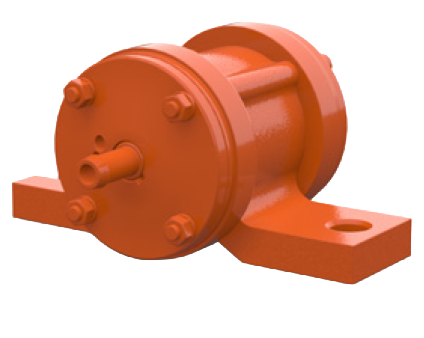
The solution involved replacing the single unit with two Oli HFP 1400P Pneumatic Vibrators, strategically mounted opposite each other on the mould assembly. This configuration allowed vibration energy to be evenly distributed across the mould, delivering consistent compaction while avoiding the concentration of force in a single area.
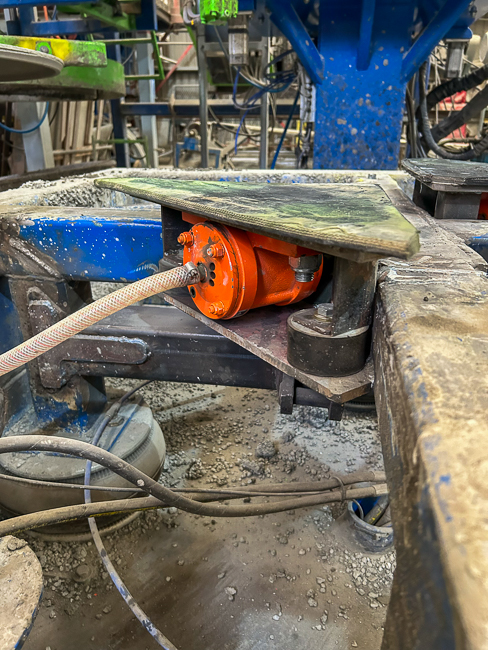
Rubber buffers were incorporated into the installation to mount the vibrators off the steel framework. This helped isolate vibration transfer, reducing structural loading and supporting long‑term equipment integrity.
The results were immediate and highly positive. The mould framework was no longer subjected to concentrated stress, noise levels were reduced substantially, and operators benefited from a more comfortable working environment. Importantly, the quality and consistency of the finished concrete lids remained high, demonstrating the effectiveness of the revised approach.
“Sometimes the solution isn’t more vibration, but better applied vibration,” said Regan Currie. “By working closely with the customer and utilising Oli equipment in a different configuration, we were able to achieve a far more balanced and efficient outcome.”
During commissioning, it became clear that the dual‑vibrator setup required additional compressed air capacity. MCG addressed this by increasing air supply and adding receiver capacity, ensuring smooth and reliable operation.
This project highlights the value of combining trusted Oli products with the application expertise and customer support of SOCO Ltd. Through a shared and considered approach, MCG now benefits from a robust, long-term solution that improves both plant performance and operational reliability.